



The scent of leather, the rhythmic tapping of tools, and slow, meticulous stitches bring dozens of details together into a single piece. In Sunkar Yesmukhan’s workshop, time flows differently, and crafting a single bag can take several months.
The KIRITTI brand was founded in 2014 and has evolved from a personal experiment into a philosophy of “intellectual luxury.” Sunkar works alone — designing patterns, processing hardware, and handcrafting each piece. He does it not for status, but out of respect for the material, the craft, and culture.
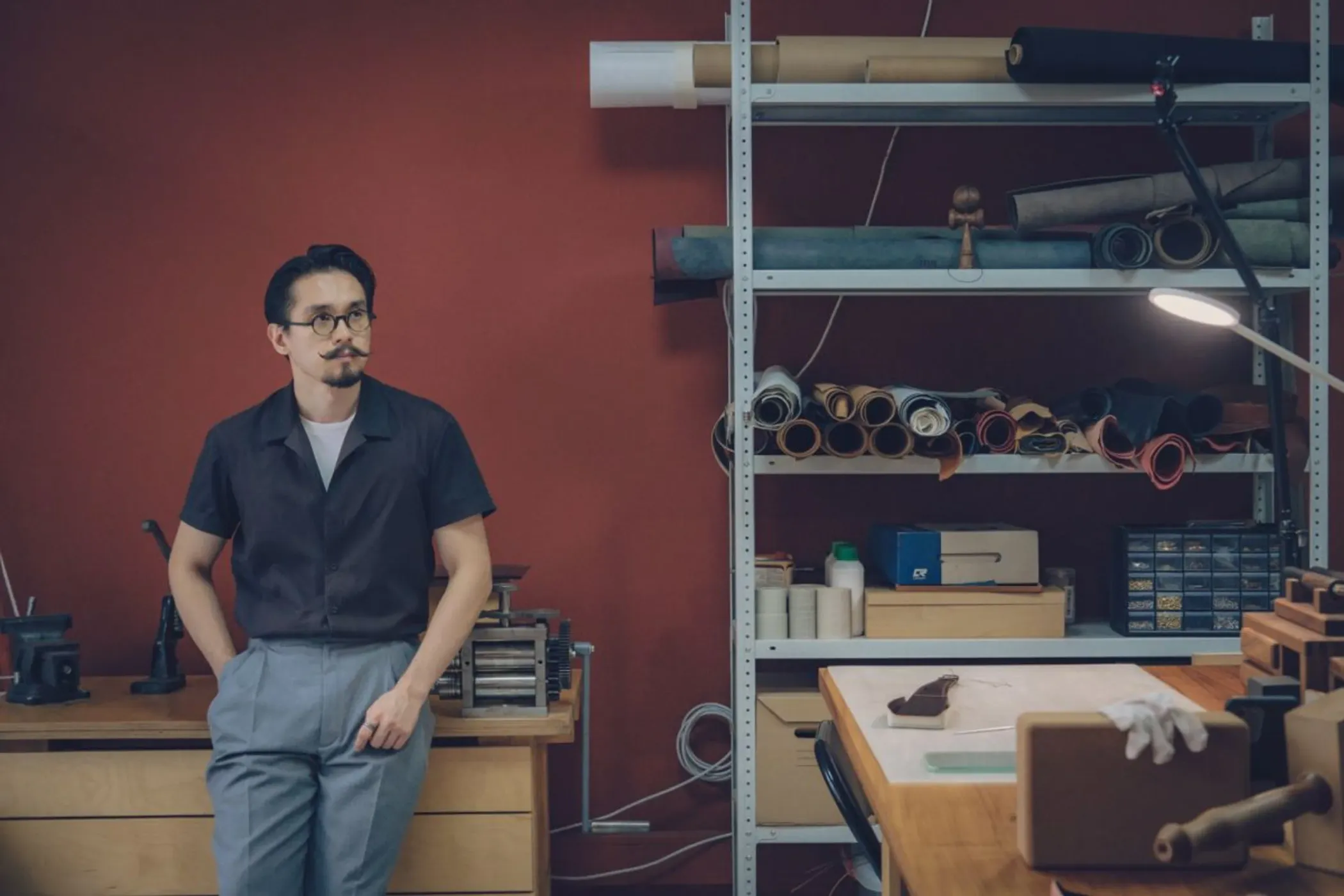
“My path developed naturally: both my parents are artists. My mother is a fashion designer, my father a jeweler. Yet most of my childhood I wasn’t particularly interested in art. I wanted to be an engineer, but without a desire to study exact sciences,” the craftsman explains.
His father introduced him to jewelry, and in his teens Sunkar started assisting on his parents’ projects. Later, he studied theatrical and decorative arts, creating costume sketches and set designs.
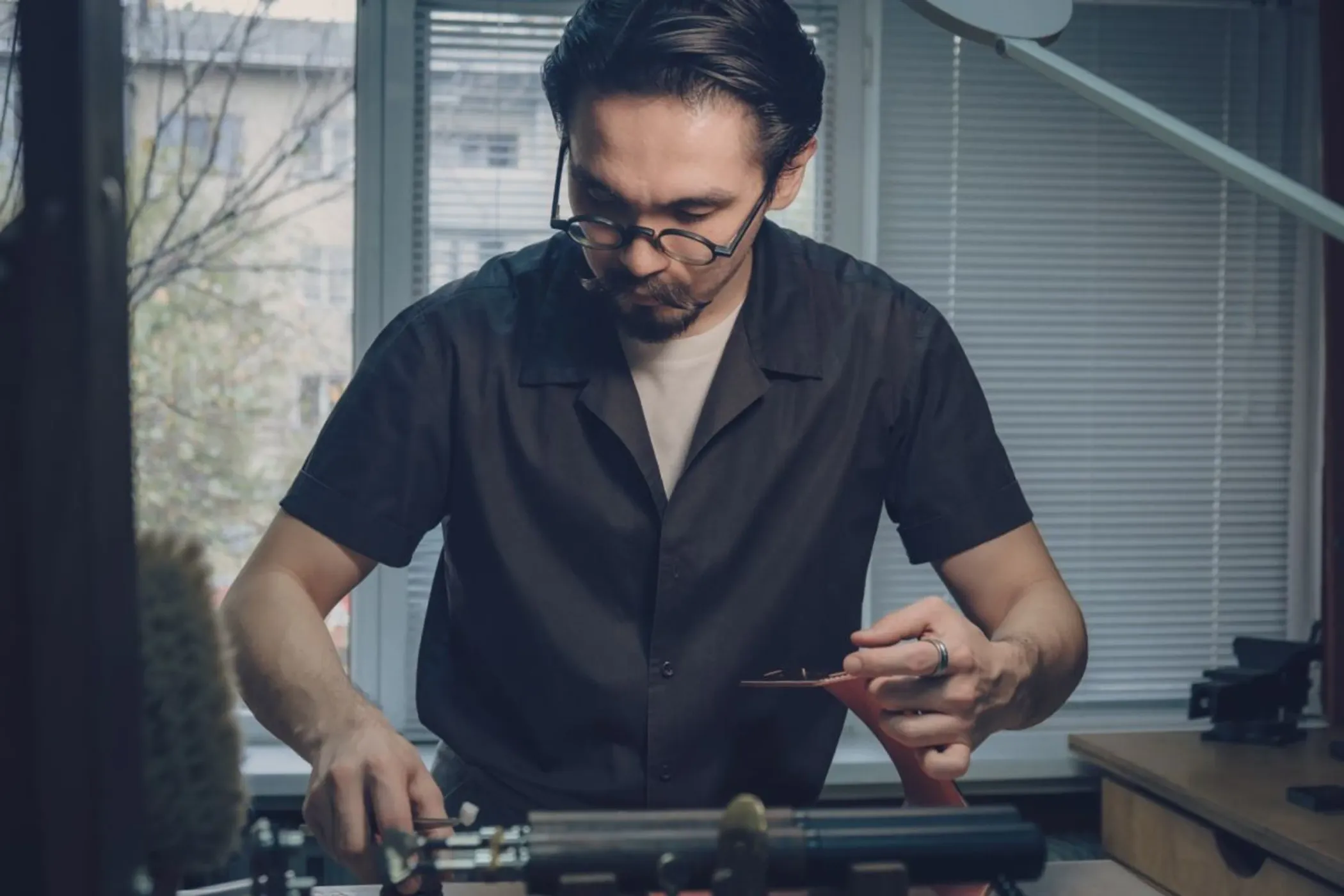
“At first, my brand was purely jewelry — I favored minimalism, textures, and monumental forms. I got into leatherworking when I wanted a really cool leather bag and realized there was nothing like it,” Sunkar recalls.
He bought his first hide, crafted his first backpack — still in his workshop as a reminder. Positive feedback from friends and clients encouraged him to pursue the craft seriously.
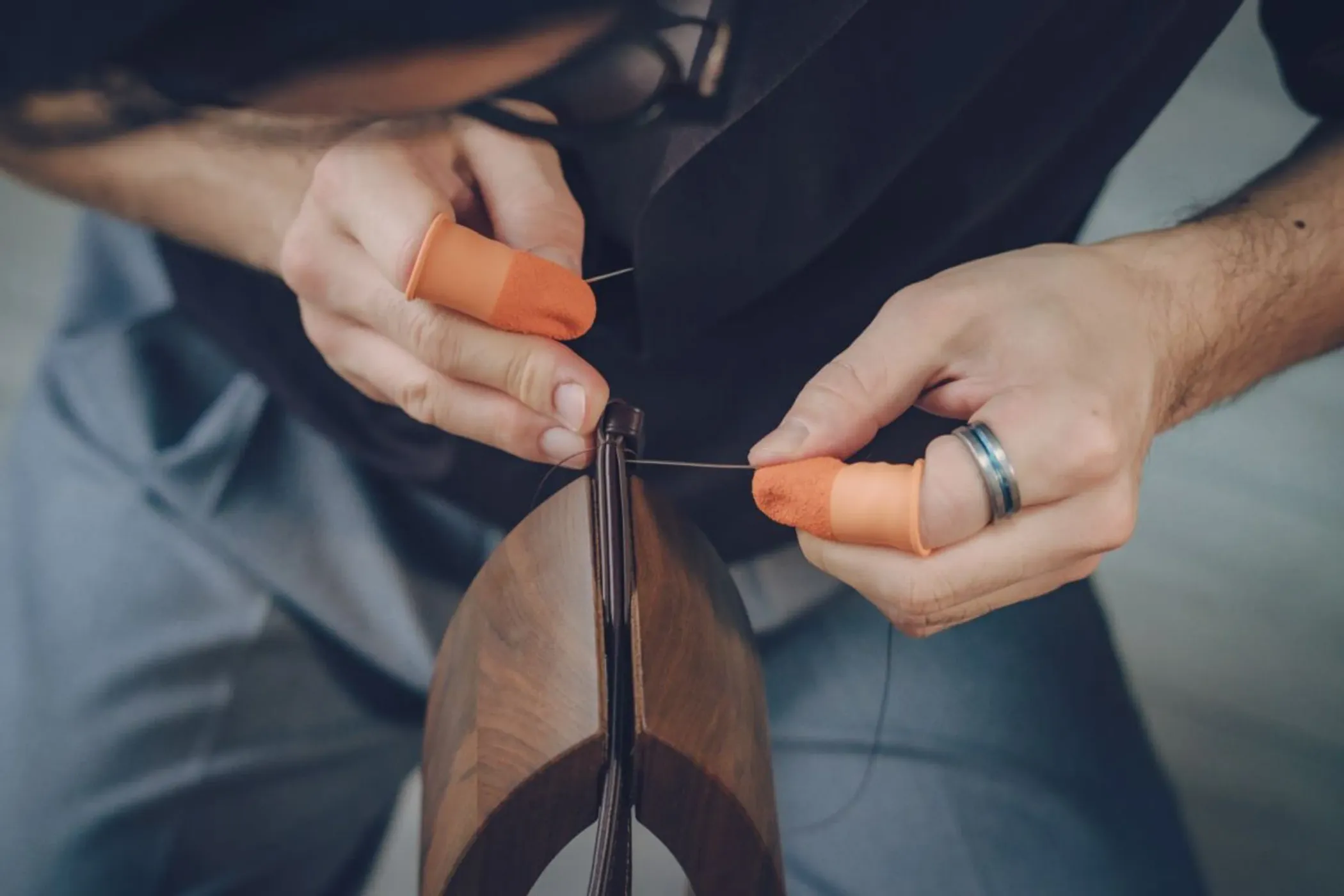
KIRITTI’s concept is “intellectual luxury” — prioritizing materials, techniques, and man-hours over status-driven pricing. Every item is handmade: patterns, saddle stitching, and solid brass hardware.
The bag-making process has three stages: design and cutting, preparation and internal framework, and final assembly — taking 25–30 days. “Nothing compares to the awe of unwrapping a new hide or tool that you’ve been waiting for,” Sunkar says.
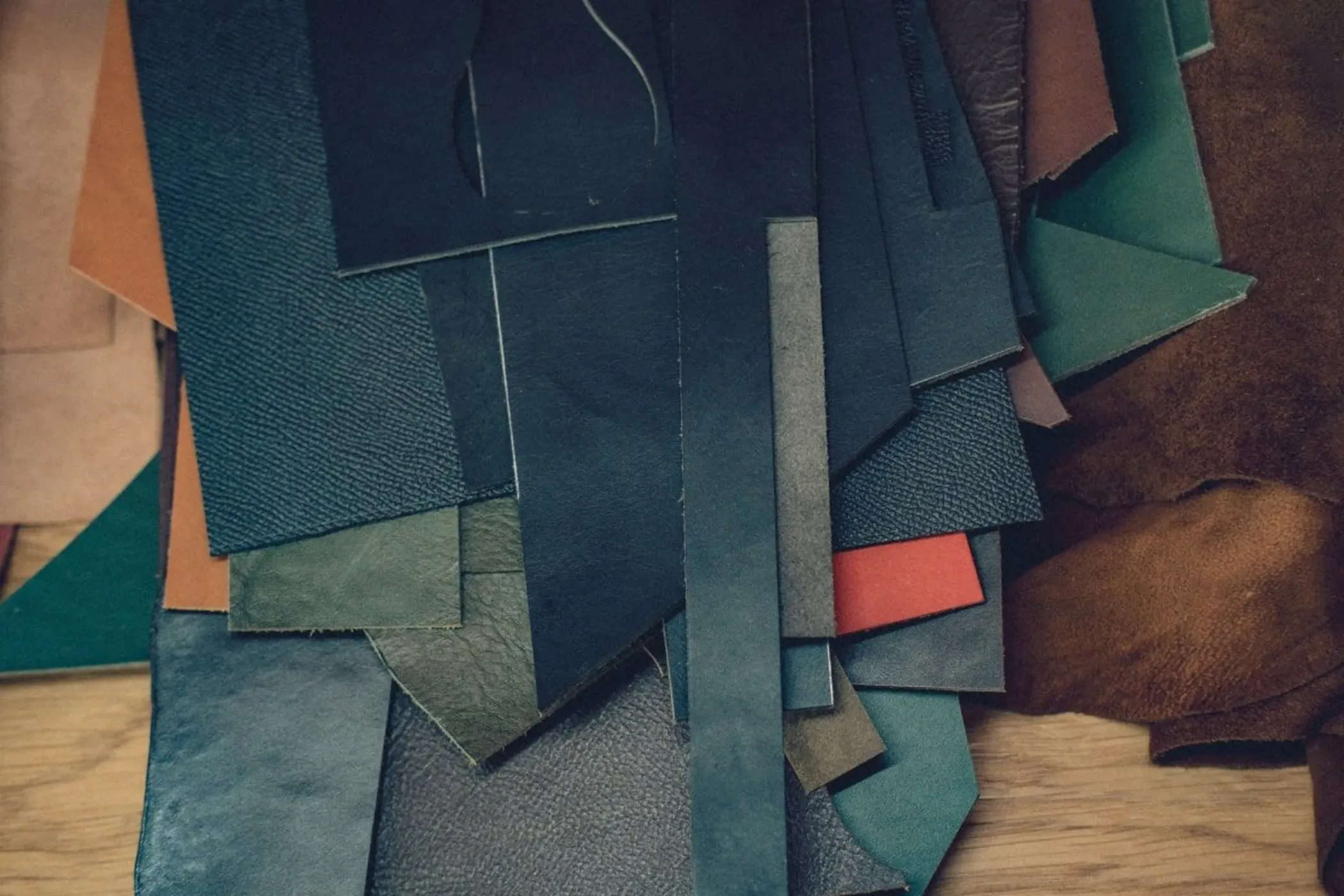
He draws inspiration from everywhere: leather folds, furniture, everyday objects, films, and music. His references include masters, designers, musicians, and artists, such as Swiss craftsman Peter Nitz, who trained under a Hermes leather artisan.
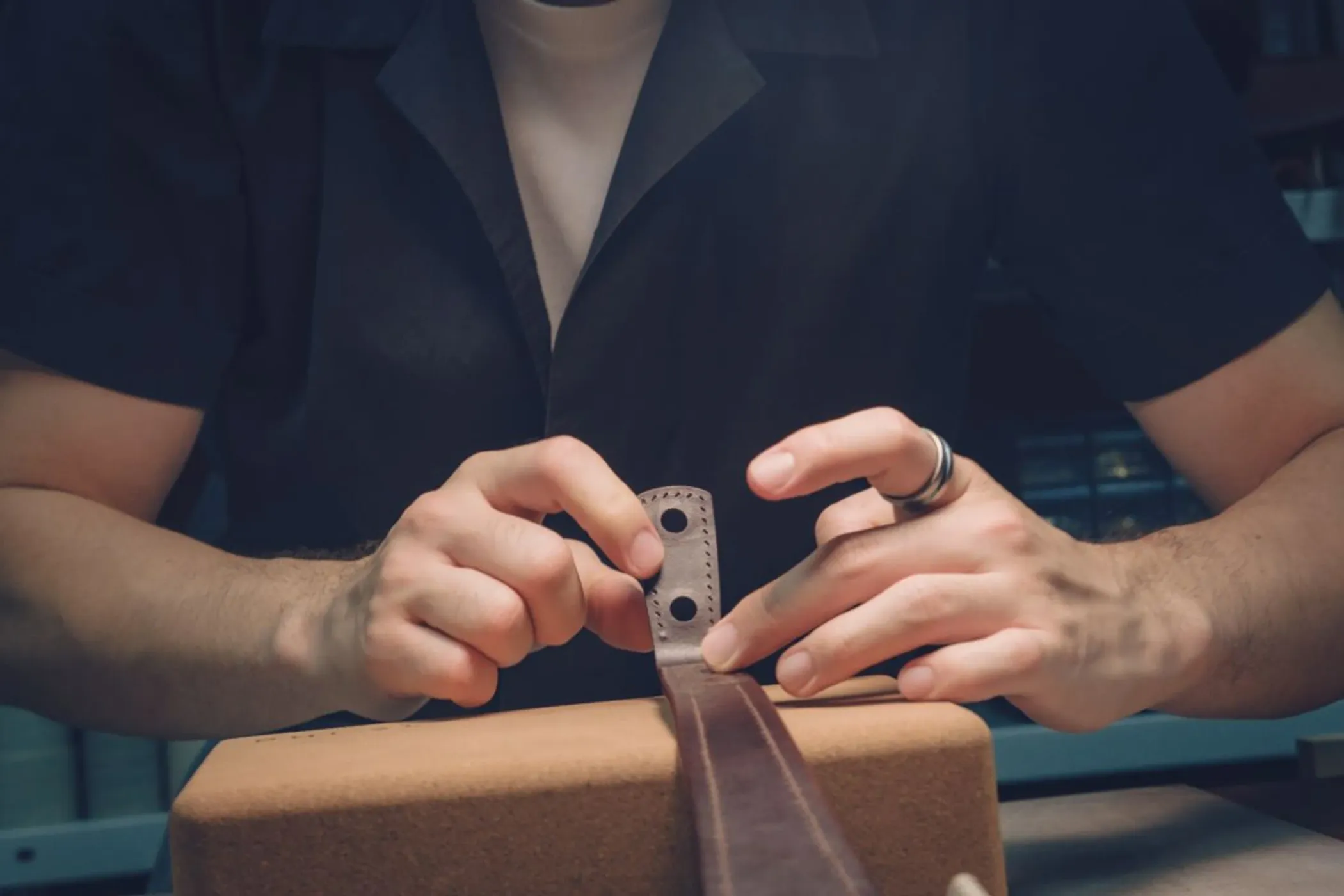
“I don’t separate the artist from the craftsman — both the idea and its execution matter equally. Each bag is a work of art,” he emphasizes.
Today, Sunkar exhibits in Paris, has attended shows in Milan, and is building a community in Kazakhstan. His goal is to revive a nearly lost culture while subtly weaving ethnic motifs into his creations. “For me, my craft is a way to preserve cultural memory and turn it into art.”
Read the full story on Mustafin Magazine.