


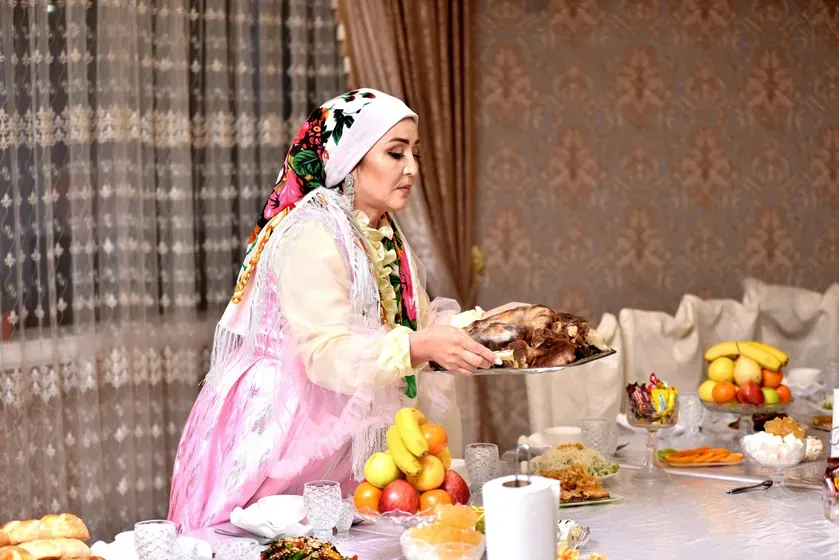
Kazakhstan’s traditional food products, including kumis, kurt, and baursak, are increasingly entering foreign markets, QazMonitor reports. Russia and China remain the main export destinations, with demand continuing to grow.
According to the Ministry of Trade and Integration, key markets include Russia and China, where large Kazakh and Muslim populations support demand. Russian consumers show interest in kurt and kumis, while the Chinese market is focused on halal products and meat delicacies.
QazTrade estimates the global halal meat and delicacies market at approximately $2.1 trillion, with annual growth of around 7%.
Exports of dairy products such as kumis, shubat, and ayran increased from $13.4 million in 2024 to $17.3 million in 2025, marking a 29.4% rise. A key challenge remains the short shelf life of kumis (3–5 days). For long-distance exports, producers use pasteurized kumis with a shelf life of up to 30 days and freeze-dried powder forms, which are already supplied to China in limited volumes.
Traditional products are forming a niche referred to as “nomadic gastronomy,” based on meat and dairy foods rooted in steppe culture. According to QazTrade CEO Aitmukhammed Aldazharov, growing global demand for functional foods is contributing to interest in these products, with items such as kurt, tary, and talkan gaining recognition among international consumers.